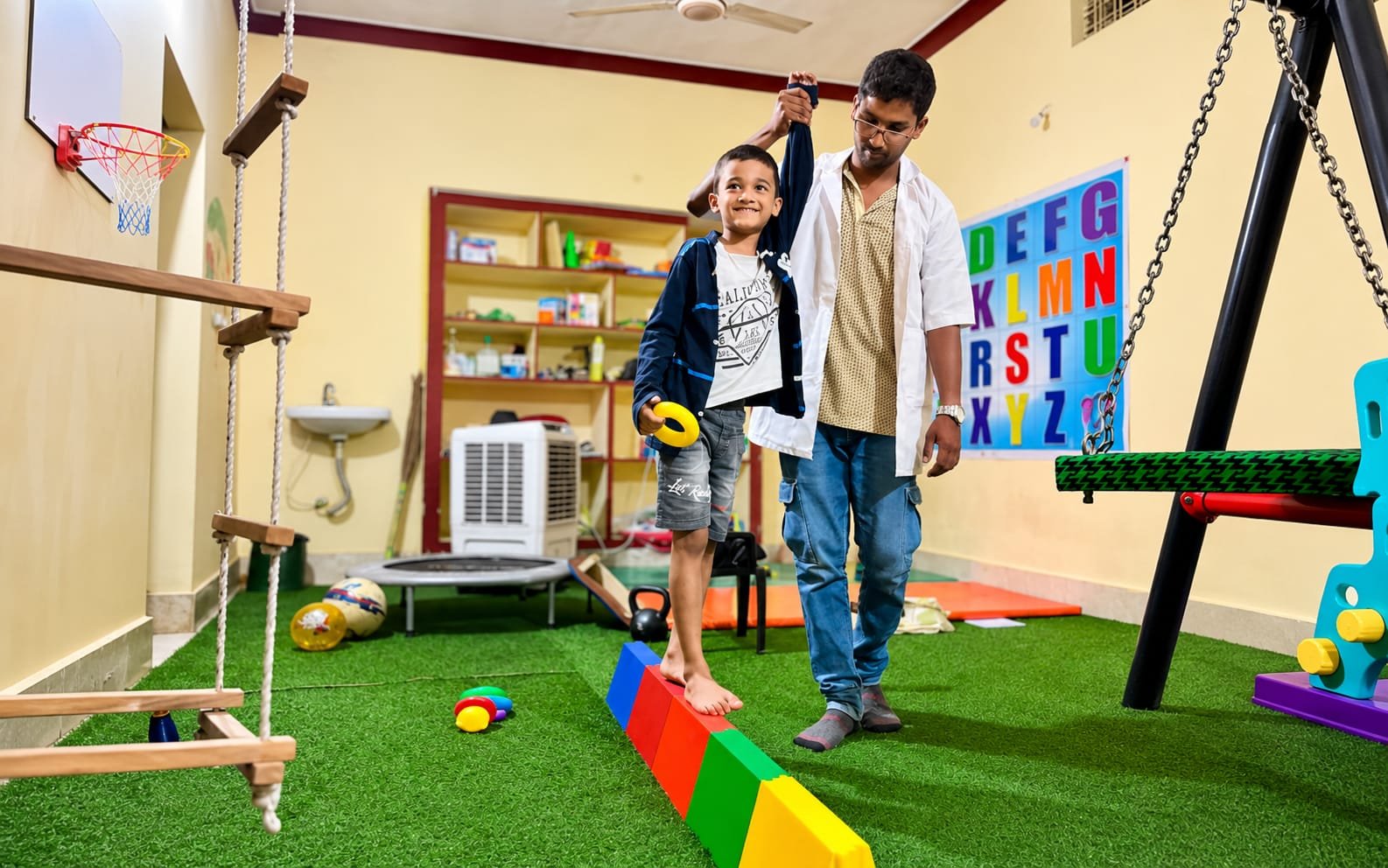
Finding the Best Occupational Therapy Centre for Kids in Balasore can be an important step for parents who want to support their child’s development, independence, coordination, and participation in everyday activities. Some children may experience difficulties with fine motor skills, sensory processing, attention, hand-eye coordination, self-care, handwriting, or classroom participation. Occupational therapy can help address these challenges through individualised goals and meaningful activities suited to the child’s needs.
IGNITE Speech & Hearing Clinic offers occupational therapy alongside speech therapy, behavioural therapy, autism treatment, cognitive therapy, special education, and other developmental services. The clinic’s occupational therapy service focuses on sensory and motor skill development, functional activities, and helping individuals participate more effectively in daily life.
For families searching for occupational therapy for kids in Balasore, understanding the benefits of therapy, the skills it can support, and the importance of parent involvement can help them make informed decisions about their child’s developmental care.
What Is Occupational Therapy for Kids?
Occupational therapy is a healthcare service that helps people participate in everyday activities. For children, these activities may include playing, eating, dressing, writing, learning, using classroom materials, and following daily routines.
Pediatric occupational therapy in Balasore can help children who need additional support with functional skills that are important for independence and participation. Therapy activities are selected according to the child’s developmental level, strengths, interests, and individual goals.
For example, a child may find it difficult to hold a pencil, use scissors, coordinate both hands, manage clothing fasteners, or complete personal care activities. Another child may need support with sensory experiences, movement, or participating in classroom routines.
An occupational therapist can assess the child’s difficulties and recommend suitable strategies to practise relevant skills.
Parents can learn more about IGNITE’s services through the “Occupational Therapy Service Page
Why Choose Occupational Therapy for Kids in Balasore?
Children develop at different rates, and each child has individual strengths and needs. Some children learn daily activities independently, while others benefit from structured practice, environmental adjustments, or professional guidance.
Occupational therapy may help children work towards practical goals that support participation at home, school, and in the community.
For parents looking for an occupational therapy centre in Balasore, potential areas of support include:
- Developing fine motor skills and finger coordination.
- Improving hand-eye coordination and motor planning.
- Practising age-appropriate self-care activities.
- Supporting sensory regulation and comfort.
- Developing pre-writing and handwriting-related skills.
- Improving participation in play and learning activities.
- Practising everyday routines and transitions.
- Building confidence and functional independence.
The goal is not to make every child perform in the same way. Instead, therapy should focus on meaningful activities that help each child participate more comfortably and independently.
Which Children May Benefit from Occupational Therapy?
Occupational therapy may be appropriate for children who experience difficulties with motor coordination, sensory experiences, self-care, or everyday participation. A professional assessment can help determine whether therapy is suitable and which goals should be prioritized.
- Children with Autism
Some autistic children experience differences in sensory processing, coordination, play, self-care, or participation in daily routines. Occupational therapy may support functional goals such as dressing, feeding, handling everyday materials, and participating comfortably in meaningful activities.
Support should respect the child’s communication preferences, sensory needs, autonomy, and individual strengths.
- Children with ADHD
Children with attention-deficit/hyperactivity disorder (ADHD) may experience challenges with organization, task participation, transitions, or completing everyday activities.
Occupational therapy may help identify practical strategies and environmental adjustments that support functional participation, depending on the child’s assessment and needs.
- Children with Developmental Delays
Children who develop certain motor or functional skills later than expected may need additional opportunities to practise hand coordination, movement, play, self-care, and daily routines.
An individualized plan can help break activities into manageable steps and encourage gradual skill development.
- Children with Fine Motor Difficulties
Fine motor difficulties can affect activities such as holding a pencil, drawing, using scissors, picking up small objects, and managing buttons.
Occupational therapy may include age-appropriate activities that practise hand strength, finger control, coordination, and functional use of the hands.
- Children with Sensory Processing Challenges
Some children find certain sounds, textures, lights, or movements uncomfortable. Others may seek additional movement or sensory input.
An occupational therapist can assess how these experiences affect everyday participation and suggest suitable strategies or environmental adjustments.
- Children with Other Developmental or Physical Needs
Children with coordination difficulties, cerebral palsy, Down syndrome, or other developmental conditions may benefit from occupational therapy when specific functional challenges are identified.
The therapy plan should reflect the child’s abilities, priorities, and everyday requirements.
Key Benefits of Occupational Therapy for Children
The benefits of occupational therapy depend on the child’s individual needs, the goals selected, and their response to intervention.
Fine Motor Skill Development
Fine motor skills involve the small muscles of the hands and fingers. These skills are useful for holding pencils, drawing, turning pages, using utensils, and managing clothing fasteners.
Activities such as puzzles, drawing, building blocks, and supervised play with suitable materials may help children practise hand control and coordination.
Sensory Regulation
Sensory experiences can affect a child’s comfort and participation in everyday situations. An occupational therapist may assess sensory-related challenges and recommend appropriate activities, routines, or changes to the environment.
The goal is to support comfort and participation rather than force children to tolerate distressing experiences.
Hand-Eye Coordination and Motor Planning
Hand-eye coordination helps children use their hands while looking at an object or activity. Motor planning involves organizing movements to complete a task.
These abilities contribute to drawing, building, using learning materials, dressing, and participating in play. Structured activities can provide opportunities to practise these skills gradually.
Self-Care and Daily Living Skills
Daily living skills help children become more involved in their personal routines. Depending on the child’s needs, therapy may focus on dressing, handwashing, using utensils, organizing belongings, and completing familiar activities.
Breaking tasks into manageable steps can help children practise at a comfortable pace.
Handwriting and School Participation
Some children experience difficulties with pencil control, pre-writing movements, handling classroom materials, or participating in structured activities.
Occupational therapy may address relevant functional skills and suggest practical strategies for the child’s learning environment. Collaboration with parents and teachers, when appropriate, can help support consistency.
How Does Occupational Therapy Work at IGNITE Speech & Hearing Clinic?
Occupational therapy should begin with understanding the child’s needs and identifying practical goals.
Step 1: Initial Consultation
Parents can explain their concerns, including difficulties observed at home, school, or during everyday activities. Sharing previous assessments and relevant therapy records may help provide useful context.
Step 2: Assessment of Functional Skills
The assessment may consider fine motor skills, coordination, sensory responses, self-care, and participation in daily routines, depending on the child’s concerns.
Step 3: Individualized Goal Setting
The therapist and family can identify meaningful goals, such as improving pencil control, practising dressing skills, or participating more comfortably in everyday activities.
Step 4: Structured and Play-Based Activities
Therapy activities are selected according to the child’s age, abilities, and goals. They may include hand coordination tasks, movement activities, play-based practice, and guided activities related to daily living.
Step 5: Parent Guidance
Parents may receive suggestions for practising selected skills during everyday routines. Home activities should be safe, suitable for the child, and consistent with professional recommendations.
Step 6: Progress Review
Progress should be reviewed periodically so that goals and activities can be adjusted according to the child’s response and changing needs.
Visit the “official IGNITE Speech & Hearing Clinic website” (https://gloignitehealthcare.com/) to explore the clinic’s broader services.
Occupational Therapy and Autism Support
Occupational therapy may form part of a broader support plan for autistic children. Depending on the child’s needs, it may address sensory regulation, coordination, self-care, play, and participation in everyday routines.
For example, a child who finds dressing difficult may practise the steps involved in putting on clothes. A child who becomes overwhelmed in a noisy environment may benefit from identifying triggers and making suitable environmental adjustments.
Goals should focus on the child’s comfort, autonomy, meaningful participation, and quality of life. Occupational therapy does not cure autism, and outcomes vary between children.
IGNITE also lists “Autism Treatment Services” (https://gloignitehealthcare.com/service.php?slug=autism-treatment-a1d6), which families can explore when learning about its developmental support services.
Occupational Therapy and Speech Therapy: What Is the Difference?
Occupational therapy and speech therapy address different areas of development, although some children benefit from both.
Occupational therapy focuses on functional activities such as fine motor skills, coordination, sensory regulation, self-care, and participation in everyday routines.
Speech therapy focuses on communication needs, including understanding language, expressing thoughts, speech sounds, fluency, and other communication difficulties.
For example, a child may need speech therapy to develop functional communication and occupational therapy to practise using utensils or managing classroom materials.
When both services are appropriate, collaboration between professionals may help align goals and support the child across different settings.
How Parents Can Support Occupational Therapy at Home
Parents and caregivers play an important role in helping children practise skills in familiar environments.
Helpful approaches include:
- Establishing predictable routines for meals, dressing, and bedtime.
- Giving children time to practise everyday tasks.
- Offering age-appropriate drawing, building, and sorting activities.
- Breaking complex activities into smaller steps.
- Using simple instructions and visual reminders when helpful.
- Making reasonable adjustments to reduce overwhelming sensory experiences.
- Praising effort and celebrating meaningful progress.
- Communicating regularly with the therapist about challenges and improvements.
Avoid comparing your child with other children or expecting immediate results. Progress may be gradual, and the most useful goals are those that make daily activities more manageable for the child.
When Should Parents Consider an Occupational Therapy Assessment?
Parents may consider professional advice when a child consistently struggles with age-appropriate activities such as holding objects, using utensils, dressing, coordinating movements, participating in play, or managing daily routines.
Other reasons to seek advice may include persistent sensory-related distress, difficulty with classroom tasks, or developmental concerns raised by parents or teachers.
A single difficulty does not automatically mean a child needs occupational therapy. A qualified professional can assess the child’s needs and help determine whether occupational therapy or another type of support is appropriate.
An assessment can provide clarity and help families understand suitable next steps.
Choosing the Best Occupational Therapy Centre for Kids in Balasore
When choosing an occupational therapy centre in Balasore, parents should consider whether the service provides appropriate professional assessment and individualized support.
Important factors include:
- Assessment based on the child’s needs and strengths.
- Practical, individualized therapy goals.
- Appropriate professional qualifications and experience.
- Respectful, child-centred care.
- Clear communication with parents.
- Guidance for home activities.
- Regular progress reviews.
- Coordination with other professionals when needed.
- Clear information about appointments and service availability.
IGNITE Speech & Hearing Clinic lists occupational therapy among its services and has a Balasore branch. Families should contact the clinic to confirm the current branch address, therapist availability, appointment times, and assessment arrangements before visiting.
Frequently Asked Questions
- What does an occupational therapist do for children?
A pediatric occupational therapist helps children practise functional skills related to fine motor coordination, self-care, play, sensory experiences, and school participation. The exact approach depends on the child’s individual needs.
- How do I find the best occupational therapy centre in Balasore?
Look for a centre that provides appropriate professional assessment, individualized goals, parent guidance, progress reviews, and a supportive environment. Choose a service that understands your child’s specific needs.
- Can occupational therapy help children with autism?
Occupational therapy may support some autistic children with self-care, coordination, sensory regulation, and everyday participation. Goals should be individualized and respectful of the child’s needs and preferences.
- Can occupational therapy help with handwriting?
It may help when handwriting difficulties relate to fine motor control, hand-eye coordination, or other functional skills. A professional assessment can identify the most appropriate approach.
- Can occupational therapy help children become more independent?
Occupational therapy may help children practise daily living skills such as dressing, handwashing, using utensils, and organizing belongings. The goals depend on the child’s abilities and priorities.
- How long does occupational therapy take?
The duration and frequency depend on the child’s needs, assessment findings, goals, and response to intervention. Progress should be reviewed regularly with the treating professional.
- How can I contact IGNITE Speech & Hearing Clinic?
Visit the “official IGNITE website” (https://gloignitehealthcare.com/) or contact the clinic directly to enquire about occupational therapy services, branch details, and available appointments.
Conclusion
Choosing the Best Occupational Therapy Centre for Kids in Balasore involves understanding the child’s needs, selecting meaningful goals, and finding an appropriate professional approach. Occupational therapy may help children practise motor coordination, sensory regulation, self-care, school-related activities, and other functional skills.
IGNITE Speech & Hearing Clinic provides occupational therapy alongside speech therapy and other developmental services. Parents concerned about their child’s coordination, sensory experiences, self-care, or participation in everyday activities can contact the clinic to discuss an assessment and suitable support options.
Every child has individual strengths and needs. With a supportive approach, appropriate guidance, and meaningful goals, families can help children build skills and participate more confidently in everyday life.
Contact IGNITE Speech & Hearing Clinic
Website: https://gloignitehealthcare.com/
Phone: +91 9337055243
Email: ignitespeech2019@gmail.com
Contact IGNITE Speech & Hearing Clinic to enquire about occupational therapy for kids in Balasore, assessment options, and available appointments.
